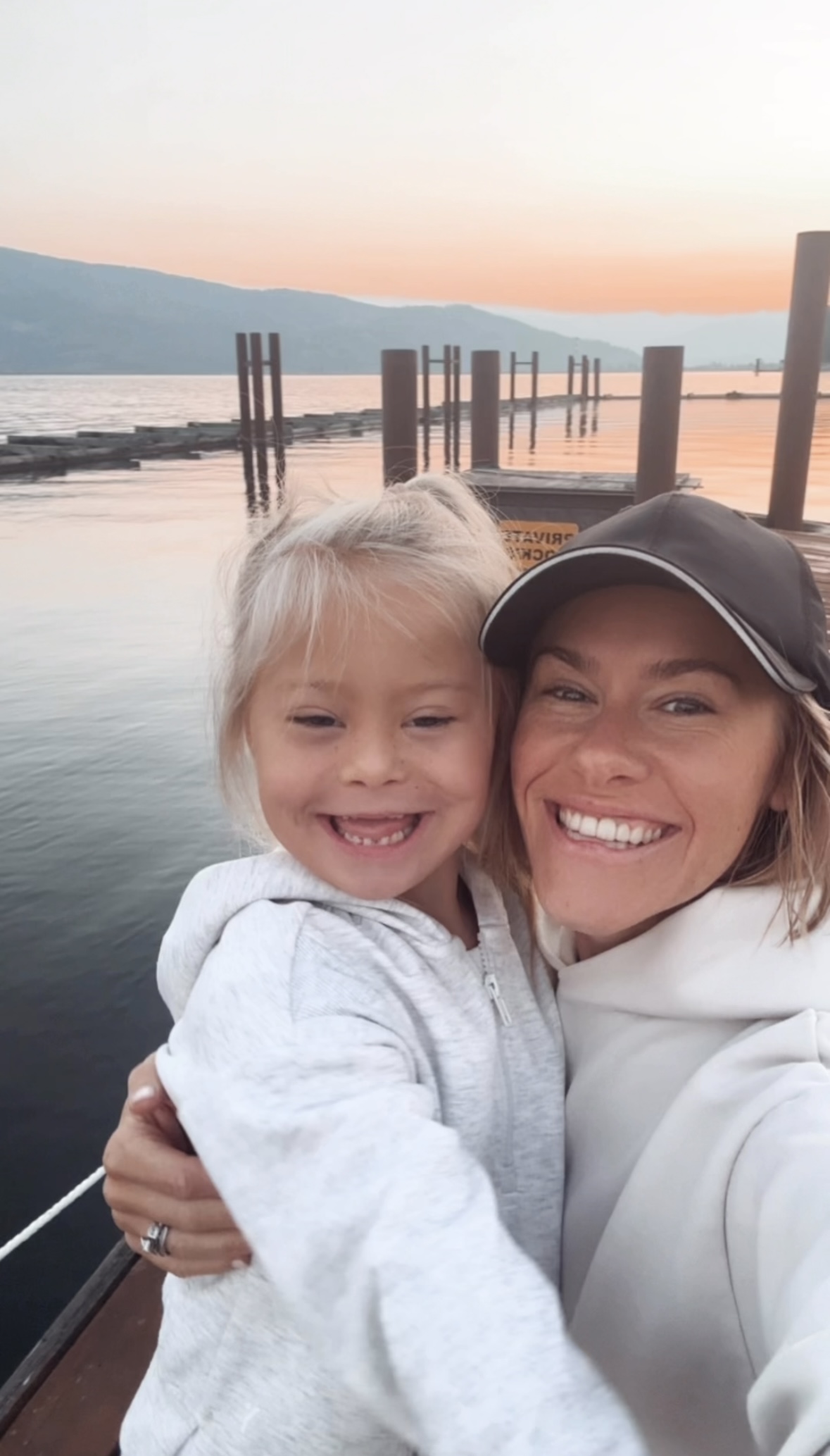
I’m building LIViQ because I’m Emma’s mom
And I hope, for millions of people like her.
I started with one question: How do we help the next person know what we already know?
Some things you only understand when you live them
Before I was Emma's mom, I was a teacher.
I knew how much it mattered to understand a child. The little things. What helped. What didn't. What was typical. What was changing. The things you learn simply by spending enough time with someone.
Then I became Emma's mom, and I began to see something I hadn't fully seen before.
Knowing someone deeply and transferring that knowing are two very different things.
Every time Emma enters a new classroom, meets a new therapist, works with a new provider, or eventually steps into a life with more independence, the people around her change.
A new person does not have to mean a new beginning.
And as her mom, I carry so much of it.
Not because anyone asked me to. Because that's what families do.
But the question I couldn't stop thinking about was what happens as her world gets bigger.
How do we help the next person understand what the last person already learned?
And how do we notice when something meaningful begins to change, especially as the people who know her best aren't always right beside her?
I don't want independence for Emma to require choosing between freedom and understanding.
I want her world to get bigger.
I want more people, more places, more experiences and more independence for her, with a way for the understanding built around her to keep moving forward.
Technology gives us an opportunity to do something that wasn't possible before.
We can notice what changes and preserve what people learn while protecting dignity, privacy, autonomy and independence.
And the person can remain at the center of all of it.
That's the idea behind LIViQ.
It began with Emma, but the question is much bigger than our family.
LIViQ is being shaped through conversations and time spent with individuals, families and support teams.
There are millions of people whose lives cross homes, classrooms, programs, providers, workplaces and communities. And everywhere they go, people learn things about them that matter.
Being known should not be temporary.
I'm building LIViQ because I'm Emma's mom.
We are not entering this world with all the answers. We are building alongside people who have spent their lives learning the questions.
Disability and supported living make the continuity problem impossible to ignore
The need spans home, education, post-secondary transition, supported living, healthcare and adulthood. We are beginning here because what we learn about continuity can eventually matter far beyond any single setting.